
Clear answers to hard business decisions.
Casewell is an independent advisory firm. Research is built into everything we do, so organisations of every size, sector and geography get evidence-backed answers and the operating judgment to act on them.
What we believe
Advice is only as good as the evidence under it.
Every engagement starts with research that is sourced, cited and checked before any advice is given.
Recommendations are tested against what it actually takes to operate, staff and govern a business.
We have nothing to sell except the answer. We take no vendor commissions and push no software, so our advice has no agenda behind it.
Who we work with
Defined by the decision in front of you, not by your sector.
Market entry, operating model and organisation design before growth outpaces structure.
Governance, KPIs and processes that let the business grow without depending on a few people.
Turnarounds, integrations and operating-model resets that need to land across functions.
Reform and change that must work with regulators, ministries and many stakeholders.
Independent diligence and second opinions on strategy, management plans and portfolio performance.
The method is the same whether you are a ten-person start-up or a national enterprise, in Mumbai, Kathmandu or Dubai. The research adapts to the sector and the region.
How we're different
The speed of software. The accountability of an advisor.
- Weeks to months to first findings
- Priced for large budgets
- One team's view, often a familiar playbook
- Fast, but unsourced
- Can state invented facts confidently
- No accountability for the advice
- Sourced research in days, not months
- Every claim traceable to its evidence
- Checked and owned by experienced advisors
What we do
Three advisory pillars.
Turnarounds, restructuring and scaling — with a roadmap the organisation can actually execute.
Learn moreOperating models, processes and asset utilisation that hold up under real operating pressure.
Learn moreMergers, reorganisations and cultural change led through stakeholders, not around them.
Learn moreChallenges we help solve
When the organisation knows what it needs, but not how to get there.
- Growth has stalled and the reasons are disputed internally
- Strategic initiatives are approved but stall in execution
- A merger, acquisition or reorganisation is not delivering the intended integration
- A new market, product or venture is being considered and the case needs testing
- Costs, processes or service quality need a structured reset
- Regulators, partners or employees need to be brought along through change
Our approach
Assess → Design → Execute → Sustain
Structured diagnostics and outside-in research establish where the organisation really stands.
Sourced market, peer and internal evidence
Options are tested and a practical future state and roadmap are agreed with leadership.
Options scored against the evidence
Initiatives are launched with clear owners, governance and decision rights.
Benchmarks set the targets
KPIs, reviews and coaching keep the change in place after the advisors step back.
Progress tracked against baseline
What?
Seven research modules. Pick the decision you're stuck on.
Launch & Entry
Decide whether to enter, expand, or prioritize a market.
Most expansion bets are approved on a market size number and a gut feel about competition.
Questions you probably can't answer today
- Which of your candidate geographies has the weakest incumbent, not the biggest TAM?
- What would have to be true for this market to be unattractive — and have you tested it?
- Is your right to win a real asset, or a slide that says 'brand and technology'?
What this module does
- Sizes the opportunity top-down and bottom-up, then reconciles the gap instead of hiding it.
- Scores attractiveness, right to win, entry feasibility and timing against weighted criteria.
- Names the actual incumbents, their positions, and where the soft flank is.
What you get
Market entry case
Framework: Market attractiveness × right to win × entry feasibility × timing
Leadership
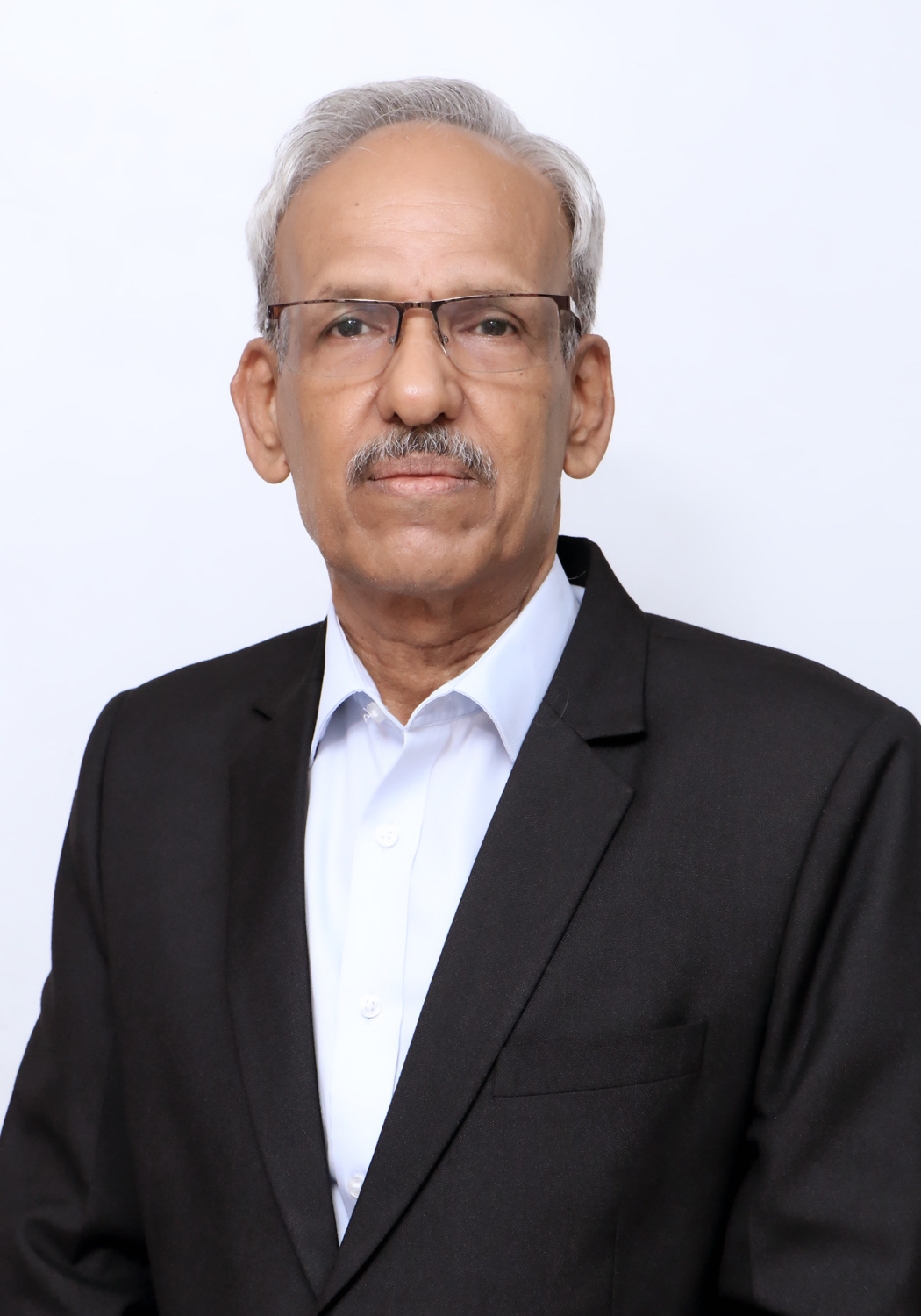
Led by operators, not just consultants.
Casewell is led by Sekhar Chandra Kumar, who spent decades in senior operating leadership. He has run airline operations as COO of Air India Express and built ventures in insurance, customer operations and education, working across India, Nepal and the Gulf.
About CasewellWays to engage
Start small, or work with us end to end.
A focused assessment of one challenge, with findings and priorities for leadership.
A sourced, framework-led study of a specific decision, prepared in the advisory workspace.
Ongoing advisory support through design, execution and stabilisation.
One-to-one support for leaders taking on transformation or operating mandates.
Bring us the challenge your organisation is facing.
A short conversation is usually enough to tell whether we can help, and how.